
General
-

Whether it’s charging a phone, using electric heating, or keeping food refrigerated, steady and reliable power is a large part of modern life. As most people use electricity to some degree every day, understanding how electricity is generated and managed is important for everyone, not just engineers and utility providers. Sources of Electricity Electricity can…
-
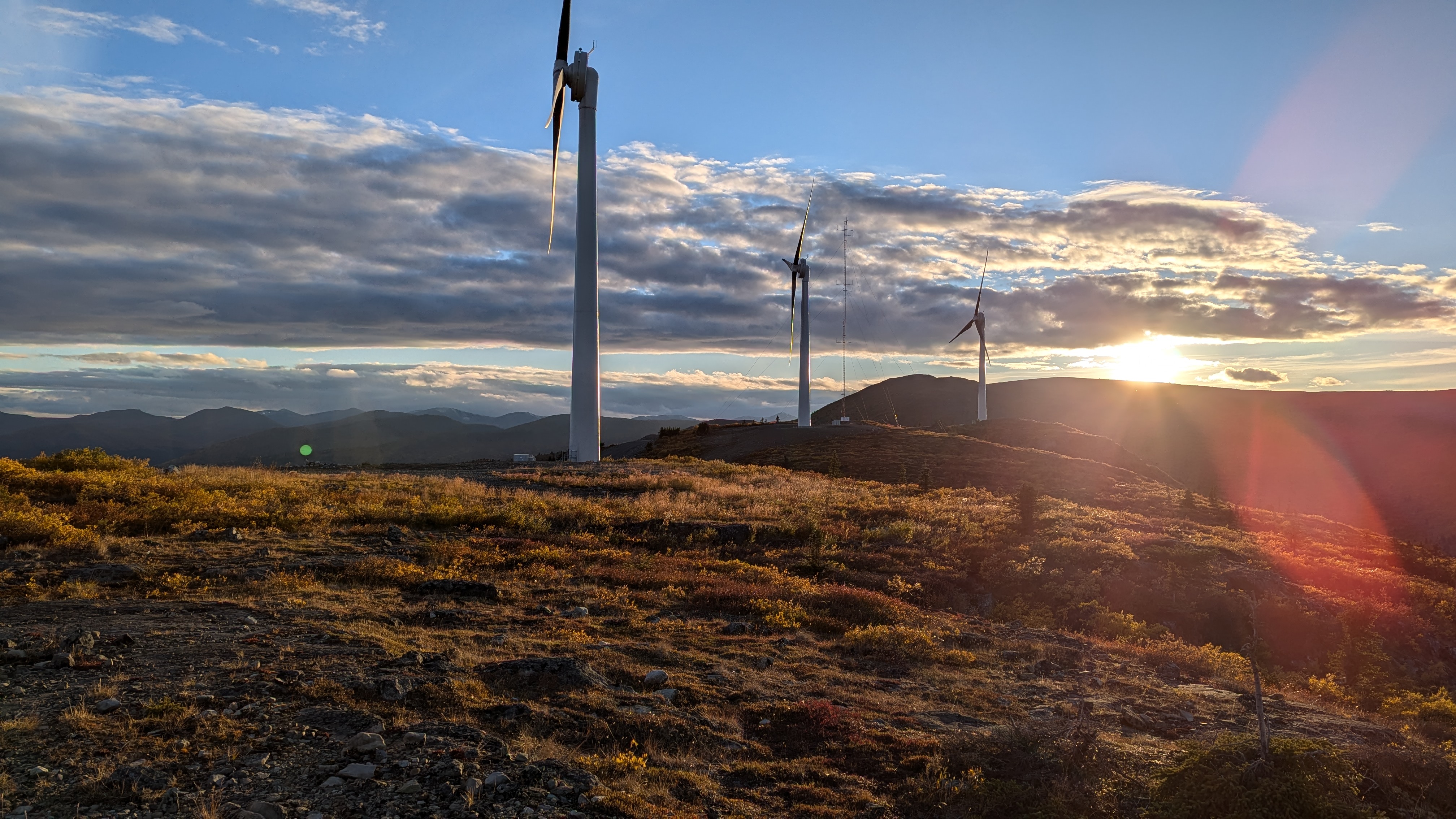
The Canadian north is an expansive region with a low population density, which poses some unusual challenges to providing modern conveniences like on-demand electricity. The remoteness of many communities in the north makes it necessary to generate power locally. For most communities, this is accomplished with diesel generators. There are 55 diesel-powered communities among the…
-

How Can Nuclear Energy be used in Northern Canada? It may seem odd to talk about nuclear power in northern Canada, as it is typically thought of as powering dense urban areas and requiring immense infrastructure and technical expertise. However, a new type of nuclear power plant, a small modular reactor (SMR), is expanding where…
-

The Yukon government’s Our Clean Future strategy, released in 2020, outlines how the territory plans to reduce greenhouse gas emissions in alignment with Canada’s national target of reaching net-zero by 2050. Transportation remains one of the largest sources of emissions in the Yukon, and Our Clean Future outlines actions to reduce transportation-linked emissions, including financial…
-

Transportation plays a significant role in greenhouse gas emissions across Canada. In response, action plans have been developed at the territorial and federal levels to support the transition to zero-emission vehicles (ZEVs). These plans outline emission-reduction targets and incentives for ZEVs to help support their adoption. What are Zero-Emission Vehicles (ZEVs)? “A ZEV is a…
-

Renewable energy plays an increasingly central role in shaping Canada’s energy future. As part of its commitment to sustainable development, the Canadian government has set a target of achieving net-zero emissions by 2050, with the goal of generating 90% of the country’s electricity from renewable and non-emitting sources by 2030. Renewable energy pathways nationwide include…
-

Yukon Energy Corporation (YEC) has proposed a rate increase to help fund over $350 million in critical infrastructure repairs and upgrades planned between 2025 and 2027. YEC states that these investments are essential to ensure long-term system reliability. If approved by the Yukon Utilities Board (YUB), the proposed rate hike would gradually increase the average…
-

Electric Thermal Storage (ETS) – A Tool for Heat and Energy Efficiency The topic of electric thermal storage (ETS) has been discussed in the Yukon for some time. You might be wondering, what exactly is ETS? At its core, ETS is a heating technology designed to store heat for later use. This is achieved by…
-

Peak & Energy Demand Living in the Yukon, I’m sure everyone has had some experience with unplanned power outages before. The most frustrating ones happen during a cold snap in the winter. If you rely solely on electricity for your heating, these outages can also be the scariest. Power outages can be caused by several…
-

Grid Scale Energy Storage Grid-scale energy storage refers to a system capable of storing large amounts of energy and converting it to electricity when needed. The ability to store energy is becoming increasingly important in power grids worldwide as it increases their flexibility and reliability. Renewable energy sources like wind turbines and solar panels benefit…